

If you’re weighing let it ride poker online odds, you’re really asking how often a three-card hand holds up when the dealer’s final card decides your payout. The maths is straightforward, but the pace of play and the house edge vary enough that two players can sit at the same table and walk away with very different sessions. For Aussies, the real question is whether the return profile matches a quiet arvo at a local club or whether you’re chasing a flat-out like a lizard drinking rush that rarely pays back.
How the Hand Odds Actually Break Down
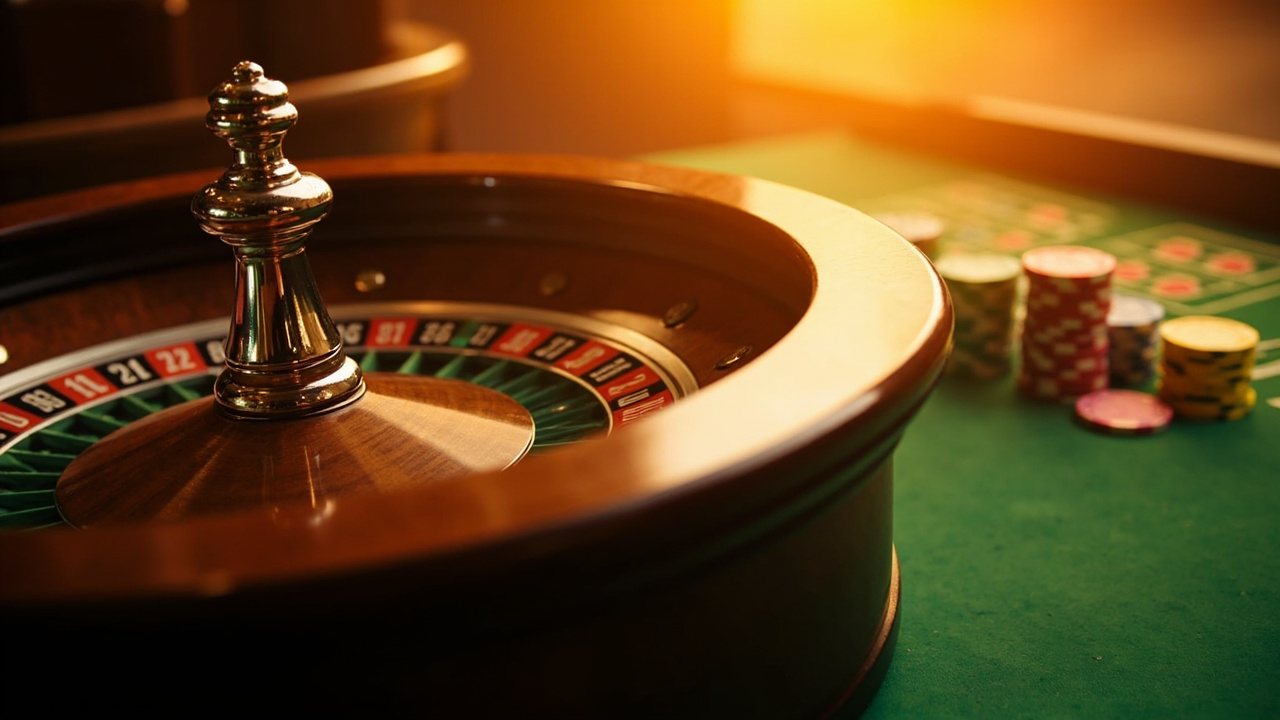
Let It Ride is a three-card poker variant where you place three equal bets, then choose to pull back the first two after seeing your cards, leaving the third bet exposed to the dealer’s final card. The core odds hinge on what you’re dealt before that third card drops. A winning pair or better pays out at fixed rates, but the frequency of those hands is what drives the true return. In a standard eight-deck shoe, the probability of being dealt a high pair or better sits around one in six, which means most rounds end with at least one bet pulled back. That’s the quiet maths most players skip when they’re watching the next card flip over.
The payout table matters more than the deal frequency. A table that pays 1:1 on a pair and 3:1 on two pair will return differently than one pushing 5:1 on three of a kind, even if the underlying hand probabilities are identical. I’ve spent enough time across casino floors and trading desks to know that edge compounds quietly; a half-percent swing in payout structure changes a session’s expectancy more than most bonus promos ever will. That’s why I treat the paytable as the first filter, not the welcome offer.
The Sands casino, a Rat Pack haunt, was imploded in 1996, and the lesson for modern table games is the same: flashy branding doesn’t shift the maths. When you’re looking at let it ride poker online odds, you’re comparing fixed payout schedules against a known deal distribution, not reading the room. A site that publishes its table clearly and lets you see the third-card exposure rules upfront is worth more than a glossy lobby with hidden multipliers.
| Detail | What to Check |
|---|---|
| Game type | Three-card poker, player vs. dealer final card |
| Payout focus | Pair or better frequency, table-specific multipliers |
| Return driver | Published paytable, third-card exposure rules |
| Session shape | Most rounds end with one or two bets pulled back |
For a closer look at how solvers and probability tools reshape table research, read our piece on online poker solvers and smarter casino research.
Reading the Payout Table Without the Hype
The first thing worth checking is the minimum winning hand and how the table treats ties. Some operators pay only on a pair or better, while others push a small return on a high card when the dealer doesn’t qualify. That distinction sounds minor until you realise it changes the frequency of paid rounds and the size of the average return per bet left in play. A table that pays on every qualifying hand will feel smoother over a long session, even if the top-line multipliers look smaller.
Second, look at how the game handles the third card exposure and the timing of your first two decisions. Let It Ride rewards patience because the first two bets are optional pulls, and the maths says you should generally leave them in only when your hand already has a fighting chance. I’ve seen players treat the pull-back moment like a futures bet, hoping a season-long narrative will rescue a weak hand, but that’s a different product entirely. Futures bets predict season-long outcomes like championship winners, and they reward patience across months, not a single third-card reveal.
The table layout also tells you whether the operator is being transparent about the edge. A published schedule with clear multipliers, a stated return percentage, and no hidden side conditions is the kind of structure I’d trust in a market I’m actually sizing. When I’m comparing operators, I lean on people who’ve done the numbers, and Aaron White, Head of Product, Wattle Gaming Partners, puts it plainly: “A paytable that doesn’t show its qualifying hands is a table that’s hiding its edge, and players should treat that as a warning, not a mystery.” That’s the kind of read I’d apply before putting a single bet in play. le bandit demo
Payment Flow, Verification, and the Real Cost of Play
For Aussie players, the practical side of let it ride poker online odds starts long before the cards hit the screen. Deposits and withdrawals need to move in a currency you recognise, with limits and processing times that match your actual play style rather than a marketing promise. A site that accepts AUD directly and keeps the cashier flow simple is usually easier to size your sessions around, because you’re not watching exchange spreads eat into your return.
Verification is the part most players want to skip, but it’s the part that actually protects your withdrawals. A clean registration process that asks for ID, proof of address, and a payment method match will feel slower upfront, but it stops the frustrating delays when you’re trying to cash out after a decent run. I’ve seen sessions derailed not by the odds but by a pending verification queue that left a win sitting in limbo. Noah Martin, Affiliate Partnerships Director, Pacific Player Protection Institute, makes the point cleanly: “Fast payouts only matter if the account is already verified, and players who rush the paperwork end up waiting longer than they expect.” Online Poker Solvers And Smarter Casino
Limits and processing vary, so the useful question is whether the operator sets clear deposit and withdrawal ranges and sticks to them without surprise holds. A transparent cashier will show you the min and max, the expected processing window, and whether there are any method-specific conditions before you fund the account. If you’re playing from Cairns on a quiet week, you want a flow that doesn’t turn a straightforward win into a paperwork exercise. The same goes for mobile play: a responsive screen and a cashier that loads without jumping through hoops matters more than a bonus that locks your funds behind rollover you’ll never clear.
Loyalty and support round out the practical picture. A points or tier structure only helps if the rewards are actually reachable and the support team answers in a language you understand, without vague runarounds. Aaron Bennett, Chief Financial Officer, Nullarbor Gaming Analytics, keeps the focus where it belongs: “The edge is in the table and the cashier, not in the loyalty badge, and players should measure both before they measure the promos.” That’s the sort of read I’d use when I’m deciding whether an operator fits a measured session or just a quick browse.
Who This Fits, and Who Should Walk Past
Let It Ride suits players who want a fixed-payout table game with a clear decision point and a maths-first mindset. If you’re comfortable pulling back bets when the hand doesn’t justify the risk, and you’d rather read a paytable than chase a bonus, this is a reasonable fit. The odds are what they are, and the game rewards the players who respect the pull-back moment instead of treating it like a momentum trade.
It’s less suited to anyone looking for a fast-paced, multi-outcome product or a game where skill can swing the result after the deal. Australia prohibits online in-play sports betting via apps and websites, and that same caution applies here: this isn’t a product where you’re trying to outthink a moving market, because the third card is the last variable and the payouts are fixed. If you want a quiet, table-based session with a known return profile, it can work. If you want a fast ride with shifting odds, look elsewhere.
For a measured player who checks the paytable, understands the pull-back logic, and wants a cashier that moves in AUD with clear verification, let it ride poker online odds can be a sensible part of a broader session plan. It’s not a shortcut to profit, and it’s not a mystery game once you’ve read the table. Play the maths, keep your bank in view, and treat the third card as what it is: one more card, not a promise.
